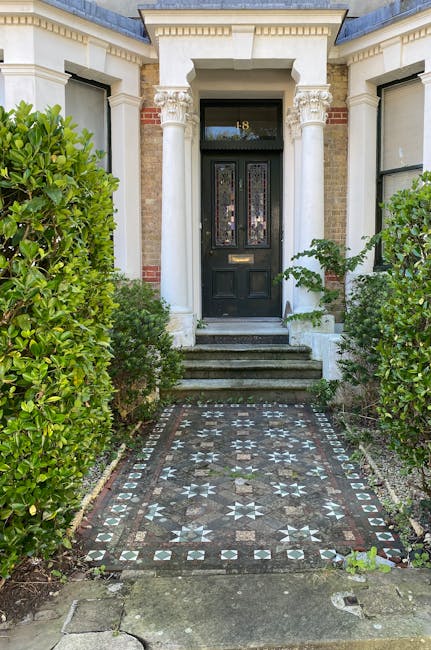
Palmers Green gardeners guide to Green Lanes front gardens
If you live near Green Lanes, you already know front gardens do a lot of heavy lifting. They are the first thing people see, the bit that softens the street, and often the smallest outdoor space that still has to cope with shade, foot traffic, bins, bikes, and the odd overenthusiastic hedge. This Palmers Green gardeners guide to Green Lanes front gardens is for anyone who wants that space to look tidy, feel welcoming, and stay manageable without turning every weekend into a pruning session.
Front garden work in this part of London is rarely about one dramatic makeover. More often, it is about making smart choices that suit the house, the pavement, the neighbours, and your own time. A good plan can lift kerb appeal, improve drainage, and reduce long-term maintenance. A poor one? Well, that can leave you with a patchy lawn, awkward sightlines, and a bed full of weeds by mid-July. Let's keep things practical.
Table of Contents
- Why Palmers Green gardeners guide to Green Lanes front gardens Matters
- How Palmers Green gardeners guide to Green Lanes front gardens Works
- Key Benefits and Practical Advantages
- Who This Is For and When It Makes Sense
- Step-by-Step Guidance
- Expert Tips for Better Results
- Common Mistakes to Avoid
- Tools, Resources and Recommendations
- Law, Compliance, Standards, or Best Practice
- Options, Methods, or Comparison Table
- Case Study or Real-World Example
- Practical Checklist
- Conclusion
- Frequently Asked Questions
Why Palmers Green gardeners guide to Green Lanes front gardens Matters
Green Lanes is a busy, lived-in stretch of North London, and front gardens here have to earn their keep. They are not just decorative. They affect how your property reads from the street, how easy it is to access the house, and how much upkeep you face throughout the year.
In Palmers Green, many front gardens are a mix of compact beds, short paths, low walls, gravel, small lawns, or paved sections with planted edges. Each layout has its own demands. A front garden with too much hard landscaping can feel stark. A heavily planted front garden can become too much work if it is not designed for the space. The sweet spot is somewhere in the middle.
This matters even more on streets like Green Lanes because the front of the house is constantly on display. Passers-by notice every untidy hedge, every dropped leaf, every patch of moss on a path. That sounds harsh, but it is also useful. A front garden that is looked after can make the whole property feel calmer and more cared for.
Expert summary: front gardens work best when they are designed for real life, not just for a photograph. In a busy London setting, the best garden is often the one that looks good on a wet Tuesday morning, not only on a sunny Saturday.
There is also a practical side. A well-maintained front space can help with visibility, drainage, and day-to-day access. If you have wheelie bins, prams, scooters, or just limited time, the layout has to function smoothly. That is where a local, experienced approach makes a difference.
How Palmers Green gardeners guide to Green Lanes front gardens Works
At its core, front garden care is a process of observation, simplification, and routine upkeep. You assess the site, decide what stays, and then choose a maintenance rhythm that suits the planting and the property. Nothing glamorous. Very effective, though.
For a typical Green Lanes front garden, the process often starts with three questions:
- How much time do you want to spend maintaining it?
- What do you want the garden to do visually and practically?
- Which elements are causing the most hassle right now?
From there, the work usually falls into a few familiar categories: trimming boundary growth, clearing weeds and debris, mowing or replacing small lawn areas, refreshing planting, improving soil condition, and making sure paths and access points stay usable. In some cases, a front garden also benefits from structural changes such as edging, regrading, or light landscaping.
If the space is overgrown or cluttered, a one-off reset may be needed first. That is where garden clearance can be especially useful. Once the space is under control, ongoing garden maintenance helps prevent the same problems returning. Simple, really. Not always easy, but simple.
For gardens with hedges or screening plants, regular shaping keeps them neat without letting them dominate the frontage. If you want to keep sightlines open and avoid the "jungle at the gate" effect, hedge trimming becomes part of the routine, not an afterthought.
Key Benefits and Practical Advantages
A well-managed front garden gives you more than one benefit. People often begin with appearance, but the practical gains are just as valuable.
- Better kerb appeal: a tidy front garden makes the property feel more welcoming and better cared for.
- Less daily frustration: you are not constantly stepping around overgrowth, broken edging, or blocked paths.
- Cleaner presentation in wet weather: good planting and ground cover reduce splashing mud and messy runoff.
- Clearer access: bin storage, gate access, and front-door routes become easier to manage.
- More resilient planting: the right design reduces plant stress and seasonal collapse.
- Lower long-term costs: regular upkeep usually costs less than major catch-up jobs.
There is also a quieter benefit that people do not always mention. A front garden that is easy to look after tends to get looked after. That sounds obvious, but it changes everything. If a space is pleasant to approach and simple to maintain, you are much more likely to keep on top of it.
For homeowners thinking beyond simple maintenance, a sensible redesign can also improve the front of the house in a more permanent way. That may mean reshaping beds, adding structure, or introducing hard surfaces in the right places. If you are considering a bigger reset, landscape gardening and landscaping can help turn a tired frontage into something that works properly year-round.
Who This Is For and When It Makes Sense
This guide is useful if you are a homeowner, landlord, tenant with responsibility for the front area, or someone helping manage a property on or near Green Lanes. It is also relevant if you are preparing to sell, rent, renovate, or simply get the place back under control after a long busy spell.
It makes particular sense if any of the following sound familiar:
- the front garden looks messy faster than you can tidy it
- the hedge has become taller than expected, which happens, annoyingly
- you have a patchy lawn that seems to survive on hope alone
- weeds keep coming back through paving or gravel
- the space feels cramped, dark, or awkward to use
- you want the frontage to look better without constant work
It also makes sense if you are comparing whether to keep a lawn, switch to planting, or introduce more structure. There is no single correct answer. A small front garden in Palmers Green may work better with resilient planting and edging than with a lawn that gets worn down every winter. Another property may suit a simple, clipped layout with seasonal colour. Context matters.
If the issue is not just appearance but safety or access, it may also be worth checking whether any overgrown trees or unstable growth need attention. In those cases, tree lopping and removal may be part of the solution, though any work should be approached carefully and sensibly.
Step-by-Step Guidance
If you are starting from scratch or rescuing an overgrown front garden, the cleanest way forward is to work in stages. Rushing straight to planting usually creates more work later. Here is a grounded approach that works well for most small London front gardens.
- Assess the space honestly. Walk the area and note what is thriving, what is struggling, and what simply should not be there anymore.
- Clear obvious clutter. Remove fallen branches, dead growth, old pots, broken edging, and any debris hiding in corners.
- Decide the function of the space. Will it be mostly planted, mostly hard landscaped, or a mix of the two?
- Sort the structure first. Paths, edges, boundaries, and drainage come before decorative planting.
- Choose suitable planting. Select plants that cope with shade, wind, dry soil, or pollution if those are issues near the road.
- Build in easy maintenance. Leave access for pruning, make sure bins can move, and avoid beds that are too awkward to reach.
- Set a routine. Light, frequent maintenance usually wins over heavy seasonal rescue work.
In practice, a front garden refresh might be completed over a weekend, or it may take several visits if there is a lot to sort out. A small amount of patience at the beginning saves a lot of regret later. Truth be told, that is half of gardening anyway.
If you are looking at the wider property rather than only the front boundary, it can help to review the full range of services overview before deciding what should be trimmed, cleared, repaired, or redesigned.
Expert Tips for Better Results
Here are the things that tend to make the biggest difference in Green Lanes front gardens, especially where space is limited and the weather is not always kind.
- Keep planting layered but not crowded. A few well-chosen plants will look better than a packed bed that fights for light and air.
- Use defined edges. Even simple edging makes a front garden feel intentional instead of accidental.
- Think about winter as well as summer. A front garden should still look composed when the flowers are gone.
- Choose surfaces you can actually keep clean. Gravel, paving, and paths all need maintenance, just in different ways.
- Prune for shape, not just size. Plants look much better when they are guided into a form that suits the frontage.
- Prioritise sightlines near gates and entrances. It makes the space safer and more open.
One small but important tip: do not let the front garden become a place where "temporary" items live permanently. A spare slab, a half-used bag of compost, an old cane from last spring... you know how this goes. Once those things pile up, the garden starts looking neglected even if the plants are fine.
If maintenance is the sticking point, it is often better to simplify the planting rather than promise yourself you will suddenly have more time. That rarely happens, to be fair.
Common Mistakes to Avoid
Front gardens are easy to overcomplicate. The most common mistakes are not dramatic. They are small choices that quietly create bigger problems over time.
- Choosing plants for looks alone: a beautiful plant that hates shade, wind, or compact soil will become a headache.
- Ignoring drainage: standing water around a front path or bed often leads to mud, moss, or root stress.
- Overusing gravel or bare soil: both can look tidy at first, then become weed magnets if not managed properly.
- Letting hedges get away from you: a hedge that is trimmed little and often is much easier than a once-a-year wrestling match.
- Packing in too many features: benches, ornaments, containers, and borders can crowd a small space very quickly.
- Forgetting access: front gardens need to work for people, bins, deliveries, and routine movement.
There is also a temptation to copy a style from somewhere else and assume it will suit Green Lanes. Sometimes it does. Often it does not. Urban front gardens need practical judgement: light levels, pavement exposure, maintenance time, and neighbour context all matter. The nice-looking thing is not always the right thing.
Tools, Resources and Recommendations
You do not need a huge kit to manage a front garden well. A sensible set of tools and a basic seasonal routine will do most of the job. In fact, too many tools can be part of the problem; they end up gathering dust in the shed while you keep using the same three.
| Task | Useful tools | Best use | Why it helps |
|---|---|---|---|
| General tidy-up | Gloves, hand fork, rake, garden bags | Clearing leaves, debris, and loose growth | Keeps the frontage neat without heavy work |
| Hedge and shrub care | Secateurs, loppers, hedge trimmer | Regular shaping and size control | Prevents overgrowth and improves form |
| Lawn upkeep | Lawn mower, edging tool, scarifier for tougher jobs | Small lawns and neat borders | Helps the lawn stay presentable and manageable |
| Structural work | Spade, level, edging materials, wheelbarrow | Re-shaping beds or improving access | Creates a more permanent improvement |
For many homeowners, the most useful "resource" is not a tool at all, but a realistic plan. Decide how often you will maintain the space and what level of effort you can sustain. That decision will shape everything else.
If you are comparing professional support, it is sensible to look at lawn mowing for smaller green spaces, hedge trimming for boundary control, and decking services only where a front space genuinely benefits from a hard-surfaced feature. Decking in a front garden is not automatically a good idea; it depends on layout, drainage, and appearance. A good recommendation should be tailored, not generic.
Law, Compliance, Standards, or Best Practice
Front garden work in the UK is usually straightforward, but there are still sensible standards to keep in mind. If you are making changes near a highway, boundary, or shared access point, it is wise to avoid anything that obstructs visibility, creates a trip hazard, or spills onto public pavement.
Best practice also means checking whether trees, hedges, or boundary features are your responsibility and whether any work could affect neighbours. If in doubt, handle it carefully and keep communication open. That is not just polite; it prevents a lot of friction. We have all seen how quickly a tidy-up can become an argument over a fence line.
For larger jobs, health and safety matters too. Equipment should be used properly, debris should be handled safely, and any removal work should be planned with care. If a contractor is involved, it is sensible to look for clear information on safety and insurance. The pages on health and safety policy and insurance and safety exist for exactly that reason: they help set expectations and reassure you that the work is being handled responsibly.
There are also ethical and environmental considerations. Good garden practice aims to reduce waste where possible, reuse materials sensibly, and dispose of green waste properly. If sustainability matters to you, a provider's approach to recycling and sustainability can be an important part of the decision.
One more thing: if you are reviewing terms, payment arrangements, or data handling before booking work, it is worth reading the relevant policy pages so nothing feels unclear later. It is boring, yes. Still worth it.
Options, Methods, or Comparison Table
Different front gardens need different approaches. A small paved frontage, a planted strip, and a compact lawn all benefit from different routines. Here is a simple comparison that may help.
| Approach | Best for | Pros | Trade-offs |
|---|---|---|---|
| Simple maintenance only | Healthy gardens that just need routine care | Low disruption, lower cost, easy to sustain | Does not fix deeper design problems |
| Clear and reset | Overgrown, cluttered, or inherited front gardens | Quick improvement, removes backlog | Needs ongoing upkeep afterwards |
| Soft landscaping refresh | Gardens needing better planting or shape | Improves texture, colour, and structure | Requires more planning and plant choice |
| Full redesign | Front gardens with poor layout or heavy wear | Best long-term functionality and appearance | Higher upfront effort and cost |
For many Palmers Green properties, the best answer is not one method alone. It is usually a blend. A bit of clearance, a bit of shaping, maybe a structural change or two, then a maintenance plan that keeps everything from sliding backwards. Not exciting. Very effective.
Case Study or Real-World Example
Imagine a typical front garden near Green Lanes: a narrow path, a low hedge that has grown wider than intended, a patchy lawn, and a border filled with a few plants that once looked hopeful but now compete for space. The space is not broken. It is just tired.
The first step is usually clearance. Dead growth comes out, weeds are removed, and the hedge is cut back into a sensible line. That alone can make the whole frontage look brighter. Next, the lawn is assessed. If it is salvageable, mowing and edging bring back definition. If it is too damaged or too small to justify the upkeep, it may be better replaced with planting or a simpler surface. No shame in that.
Then comes structure. A clean edge, a better plant grouping, and a more open approach to the entrance can make the whole house feel more composed. You know the feeling when a front garden suddenly stops shouting at you? That. The space starts to breathe a bit.
In this kind of project, the outcome is not just prettier. It is easier to live with. The owners can keep it tidy in far less time, and the garden stops being a source of low-level guilt every time they walk past the window.
Practical Checklist
Use this checklist if you are planning a front garden tidy-up or a more involved refresh.
- Walk the frontage and note what is overgrown, broken, or underused.
- Decide whether the priority is maintenance, clearance, or redesign.
- Check access points, gates, paths, and any trip hazards.
- Remove clutter, dead material, and obvious weeds.
- Trim hedges and shrubs to a shape that suits the space.
- Assess whether the lawn is worth keeping.
- Choose planting that can cope with the actual light and exposure.
- Consider drainage, edging, and ground cover before adding more plants.
- Review safety, insurance, and waste handling if hiring help.
- Set a realistic maintenance schedule you can stick to.
If you want a simpler route, start with the one thing that causes the most visual noise. Often that is the hedge, the weeds, or the clutter. Clear that first and the whole space becomes easier to judge.
Get a free quote today and see how much you can save.
Conclusion
A good front garden on Green Lanes does not have to be elaborate. It has to be well judged. That is the real lesson of this Palmers Green gardeners guide to Green Lanes front gardens: the best results usually come from clear structure, manageable planting, and regular care rather than dramatic gestures.
If your current frontage feels awkward, overgrown, or simply too much to keep up with, do not read that as failure. It usually just means the space needs a better plan. Small changes can make a big difference, especially in a street-facing garden where every detail counts. And once the garden is working properly, it has a way of making the whole house feel more settled.
Take it one step at a time, keep it realistic, and remember that a front garden should make life easier, not busier. That is the aim, really. A neat, welcoming space that does its job quietly, day after day.
Frequently Asked Questions
What is the best approach for a small front garden on Green Lanes?
The best approach is usually a simple, low-maintenance layout with clear edges, a few resilient plants, and regular upkeep. Small spaces rarely benefit from too much variety. Clean structure tends to win.
How often should a front garden in Palmers Green be maintained?
That depends on the planting and season, but most front gardens benefit from light, regular attention rather than big occasional clear-ups. A little and often is usually the least stressful option.
Is a lawn a good idea for a front garden near Green Lanes?
Sometimes yes, sometimes no. If the lawn gets heavy foot traffic, poor light, or constant wear, it may be more trouble than it is worth. A planted or mixed surface can be easier to manage.
What should I do if the front garden is badly overgrown?
Start with clearance rather than planting. Remove the dead material, restore access, and assess what is worth keeping. Once the space is visible again, you can make better decisions.
Can hedge trimming really change the look of a front garden?
Absolutely. Hedge shape affects the whole frontage. A tidy hedge opens up light, improves sightlines, and makes the garden feel much more deliberate. It is one of the quickest visual wins.
What are the biggest mistakes people make with front garden design?
The biggest mistakes are overcrowding, ignoring drainage, choosing plants that do not suit the site, and creating layouts that are hard to maintain. The garden should fit your life, not the other way around.
Do I need to think about safety or insurance before hiring help?
Yes, that is wise. Any work involving tools, height, or waste removal should be approached responsibly. It helps to check whether the provider has clear safety procedures and appropriate insurance.
What is the difference between garden maintenance and landscaping?
Garden maintenance is ongoing care such as mowing, pruning, weeding, and tidying. Landscaping usually means more structural or design-led work, such as reshaping beds, changing surfaces, or improving the layout.
How can I make a front garden look good all year round?
Use a mix of evergreen structure, seasonal planting, and clean hard edges. That way the space still looks composed in winter, not just during peak flowering months.
Is sustainability important in front garden work?
Yes, if you want a garden that is sensible in the long run. Reusing materials, reducing waste, and choosing planting that suits the site can all lower maintenance and avoid unnecessary disruption.
When should I consider a full redesign instead of simple upkeep?
If the layout keeps causing problems, or the front garden is too awkward to maintain, a redesign may be the better choice. It is often more efficient than trying to nurse a bad layout along forever.
How do I get started if I am not sure what the garden needs?
Begin with a basic assessment: what is overgrown, what is functioning, and what feels like a nuisance. From there, compare clearance, maintenance, and redesign options. If you want help understanding costs, the pricing and quotes page is a sensible next step.