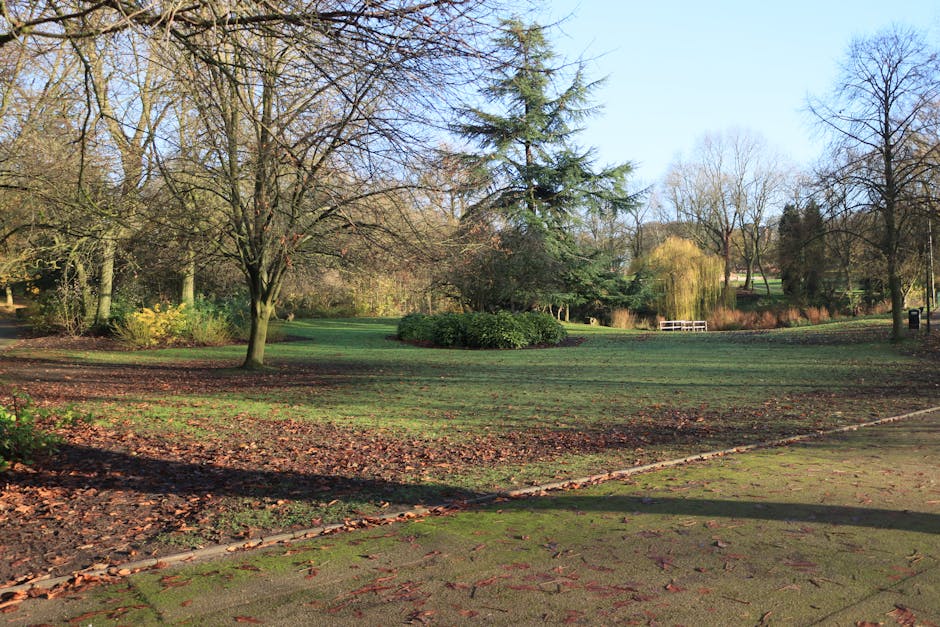
Broomfield Park garden maintenance tips from local gardeners
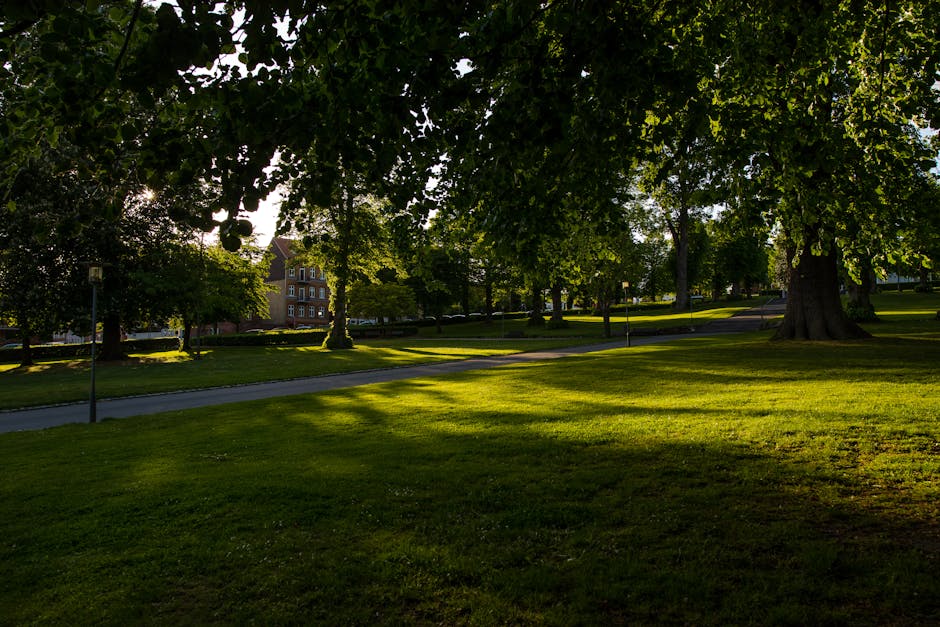
If you've ever looked at a garden near Broomfield Park and thought, "Why does that one always look so tidy, even in damp weather?" you're not alone. Local gardens in this part of North London face a mixed bag: shade from mature trees, compacted soil, sudden summer dry spells, and plenty of footfall if the space is used by family, neighbours, or tenants. That's exactly why Broomfield Park garden maintenance tips from local gardeners are so useful. They're practical, grounded in real conditions, and a lot less fussy than generic advice you'll find online.
In this guide, we'll walk through what actually works, what tends to go wrong, and how to keep a garden healthy without turning every weekend into a full-blown project. You'll find step-by-step guidance, a useful checklist, a comparison table, and a few hard-won tips that local gardeners tend to rely on when the seasons shift and the weather does its usual London thing.
Why Broomfield Park garden maintenance tips from local gardeners Matters
Broomfield Park has a very particular garden rhythm. The area's established planting, nearby trees, and variable light levels mean a one-size-fits-all approach rarely works. A patch that bakes in one corner may stay damp in another. One bed might be weed-free in March and suddenly overrun by June. Truth be told, that's normal.
Local gardeners tend to notice details that matter day to day: where moss builds up after rain, which borders dry out fastest, and how quickly shrubs crowd a pathway if they're left alone for a few weeks. That local familiarity makes maintenance more effective. Instead of reacting late, you can work with the garden's actual conditions.
There's also the simple matter of continuity. A neat garden is easier to manage than a neglected one. Once weeds establish, hedges get woody, and grass thins out, every job becomes bigger. That's when people start looking at services like garden maintenance support or a broader services overview to get back on track.
Expert summary: the best maintenance is rarely dramatic. It is usually small, regular, and tuned to the garden you actually have, not the one you wish you had on a sunny Sunday in April.
How Broomfield Park garden maintenance tips from local gardeners Works
At its core, good garden maintenance is a cycle: observe, cut back, clear, feed, water, and check again. Local gardeners usually work in short, repeatable rounds rather than big annual clear-outs. That's because small interventions are easier on plants and less costly to fix if something starts drifting out of shape.
For example, if a hedge is lightly trimmed before it becomes top-heavy, it stays denser and looks cleaner. If a lawn is mowed consistently rather than hacked down after three weeks of rain, it recovers better and keeps a more even finish. Same idea with borders. Clear the dead material before it smothers new growth, and you'll notice healthier plants beneath.
In Broomfield Park, maintenance often also means managing shade, leaf fall, and moisture. Not glamorous, but important. A damp corner can turn into a mossy one, and then a slippery one, and then you're dealing with a proper nuisance. A local gardener will usually read those conditions quickly and adjust the schedule instead of forcing a rigid routine.
If you're comparing service options, it can help to look at lawn mowing, hedge trimming, and garden clearance as separate needs rather than one lump job. That way, the work matches the actual condition of the garden. Makes sense, right?
Key Benefits and Practical Advantages
The benefits of consistent maintenance go beyond appearances, although let's face it, a tidy front garden does help when people walk past. The real gains are usually quieter and more practical.
- Healthier plants: regular trimming, clearing, and feeding reduce stress on shrubs, borders, and turf.
- Lower long-term effort: a little work now prevents bigger jobs later.
- Better safety: clear paths, controlled hedges, and well-kept edges reduce trip hazards and awkward overgrowth.
- Improved use of space: the garden feels easier to enjoy if it isn't constantly fighting back.
- Cleaner seasonal transitions: lawns, beds, and trees are easier to manage when the schedule matches the time of year.
There's also a value side that people sometimes forget. A well-kept garden often supports a better impression of the property overall. That can matter whether you're a homeowner, landlord, or managing a shared space. If larger works are needed, options like landscape gardening or landscaping can help reshape a tired space rather than just maintain it.
And if sustainability matters to you, maintenance can be done in a way that reduces waste. That includes composting where possible, recycling green waste properly, and choosing sensible cuts rather than stripping a garden bare. You can read more about that approach through the site's recycling and sustainability information.
Who This Is For and When It Makes Sense
This kind of maintenance advice is useful for a few different people, and they're not all after the same thing. Some want a front garden that just looks presentable with minimal effort. Others want a back garden that works for children, pets, and weekend meals. Some are dealing with a garden that has gone a bit wild after a busy few months. Happens to the best of us.
You'll find it especially useful if you:
- live near Broomfield Park and want a garden suited to local conditions
- manage a rental property and need regular upkeep
- have an older garden with mature planting and mixed shade
- struggle to keep up with mowing, pruning, and clearing
- want to improve curb appeal without starting a full redesign
- prefer practical, local advice over generic seasonal checklists
It also makes sense if you're deciding whether to book a one-off tidy-up or ongoing support. A one-off visit is fine after a long neglect period or post-storm mess. Ongoing care is better when the garden needs regular attention. If you're unsure, getting a quote through pricing and quotes is a sensible next step.
Step-by-Step Guidance
Here's a practical way local gardeners often approach maintenance in and around Broomfield Park. Nothing fancy. Just reliable, repeatable work.
1. Start with a proper walk-through
Look at the whole garden before lifting a tool. Check the lawn, borders, fence lines, hard edges, and any shady or soggy areas. Ask yourself what is actually causing the mess. Is it weed growth, leaf build-up, hedge spread, or just a lack of regular mowing?
2. Remove the obvious clutter first
Pick up fallen branches, dead annuals, old pots, broken bits, and anything that blocks access. Once the space is clear, the real work becomes easier. For heavier jobs, a full garden clearance may be the fastest way to reset the area.
3. Tackle the lawn in the right order
If the grass is long, don't take it down too hard in one go. A staged cut is kinder to the lawn and reduces stress. Edges should be neatened too, because scruffy borders can make an otherwise tidy lawn look half-finished.
4. Trim hedges before they become a problem
Hedges respond best when they're managed regularly. If they're left too long, they become top-heavy and harder to reshape. For a polished look and better control, use a consistent hedge schedule rather than a rescue trim every few months. That's where hedge trimming becomes more than a cosmetic job.
5. Keep weeds from setting in
Pulling small weeds early is far less frustrating than attacking established roots later. Mulch can help reduce repeat growth, but only if you're applying it to a reasonably clean surface. Otherwise, you're just tucking weeds in. Bit rude to the flowers, really.
6. Feed, water, and observe
After the physical work, pause and notice what the plants are telling you. Are leaves yellowing? Is water pooling? Are some plants getting too much shade after a hedge has thickened up? These are the clues that shape the next visit.
7. Make a simple repeat schedule
Most gardens do better with routine. Even a basic monthly check can prevent problems from getting out of hand. If you need a broader plan, a regular garden maintenance arrangement is often easier than constantly reacting to whatever the weather has done.
Expert Tips for Better Results
Local gardeners tend to rely on judgement as much as tools. That's the real difference between a rushed tidy and a well-kept garden.
- Trim lightly and often: hedges and shrubs stay denser and neater when they are cut before they become unruly.
- Work with the soil, not against it: if a border is compacted, it may need aeration or added organic matter rather than more watering.
- Respect shaded areas: not every part of the garden wants the same plants or the same cutting schedule.
- Leave room for airflow: crowded planting can trap moisture and encourage disease.
- Use seasonal timing wisely: a job done at the wrong moment can set plants back more than help them.
One useful habit is to group jobs by purpose. Do all cutting work together. Then all waste removal. Then the finishing touches. It sounds obvious, but it saves time and avoids that messy back-and-forth where you cut, stop, move, and cut again. Gardeners know this. Homeowners learn it the hard way, usually while carrying a trug through wet grass.
Another small but important point: check boundaries and overhanging growth early. A hedge or tree that was fine in spring can feel intrusive by late summer. If you have branches encroaching, or a tree that needs careful attention, tree lopping and removal may be relevant, though larger work should always be approached cautiously and in line with the right permissions and safety checks.
Common Mistakes to Avoid
Most garden problems are not caused by one dramatic failure. They build up through small, avoidable habits.
- Cutting too much at once: this is common with lawns and hedges, and it can leave plants stressed or patchy.
- Ignoring drainage issues: if water sits in the same place every time it rains, mowing and tidying alone won't fix it.
- Letting leaf litter sit for too long: it blocks light, holds moisture, and can make paths slippery.
- Using the wrong tool for the task: blunt shears and poor-quality mowers make simple jobs harder.
- Leaving clearance until everything is overgrown: by then, the work takes longer, costs more, and feels much more overwhelming.
A quieter mistake is over-tidying. Some people strip a garden too bare because they want it "clean." But many gardens in Broomfield Park benefit from selective pruning rather than hard reset treatment. Plants need shape, yes, but they also need enough foliage to recover. Slightly messy is often healthier than aggressively neat.
Tools, Resources and Recommendations
You do not need an enormous kit to maintain a garden well. In most cases, a reliable small toolkit beats a shed full of half-used gadgets.
| Task | Useful tools | What to look for |
|---|---|---|
| Lawn care | Mower, edging tool, rake | A clean cut, easy height adjustment, and enough power for regular use |
| Hedge trimming | Hedge trimmer, hand shears, gloves | Comfortable grip, sharp blades, and manageable weight |
| Border cleaning | Hand fork, trowel, secateurs | Solid handles and good control for close work |
| Clearance | Rake, sacks, tarp, wheelbarrow | Simple transport and enough capacity for green waste |
| Tree and high growth | Pole tools, sturdy ladder, protective equipment | Safety first; large or complex jobs are often best handled professionally |
If you're outsourcing, look beyond the headline price. Ask whether the team covers basic tidy-up, waste removal, hedge work, and seasonal attention, or whether each item is charged separately. That transparency matters. The site's health and safety policy and insurance and safety pages are also worth reviewing if you want to understand how a provider approaches risk and site care.
If accessibility matters on your property, or you have narrow paths, uneven ground, or elderly family members using the garden, keep that in mind when planning the work. A tidy space should also be usable. Not just pretty from the fence line.
Law, Compliance, Standards and Best Practice
Garden maintenance in the UK is usually straightforward, but a few sensible rules still apply. If you are dealing with trees, hedges near boundaries, or waste disposal, it pays to be careful and practical rather than casual.
For example, large tree work may involve checks around permissions, ownership, and safety. Don't assume a bigger saw solves the problem. Likewise, green waste should be handled responsibly, and if a job produces a lot of material, recycling and proper disposal are part of doing the job well. That's where recycling and sustainability becomes more than a nice phrase.
Best practice also means working safely around tools, edges, slippery surfaces, and overhead growth. If a task feels unstable or likely to need specialist equipment, it's usually better to step back. The safest job is the one done correctly, not the one done quickly.
And one more plain-English note: if you live in a shared property, leasehold arrangement, or managed garden, check responsibilities before making major changes. It can save awkward conversations later. Nobody enjoys discovering they pruned someone else's hedge. Awkward, to say the least.
Options, Methods, and Comparison Table
Different gardens need different approaches. A light-touch maintenance plan might be enough for a small paved garden, while a large family garden near Broomfield Park may need regular mowing, border care, and seasonal hedge attention. Here's a simple comparison to help you think it through.
| Approach | Best for | Pros | Watch-outs |
|---|---|---|---|
| DIY weekly upkeep | Small, manageable gardens | Low cost, flexible timing, close control | Can slip behind quickly if life gets busy |
| Monthly professional maintenance | Medium gardens needing consistency | Reliable finish, less stress, better seasonal timing | Higher ongoing cost than DIY |
| One-off clearance and tidy-up | Overgrown or neglected spaces | Fast reset, visible progress | Does not keep the garden tidy on its own |
| Hybrid approach | Most family and rental gardens | Balanced cost, practical support, easier upkeep | Needs a simple plan so jobs do not overlap or get missed |
In many cases, the hybrid approach works best. You handle light tidying and watering, while a professional team takes care of the heavier seasonal tasks. If a garden needs regular mowing, border control, or more involved upkeep, lawn mowing and related services can be slotted in without overcomplicating things.
Case Study or Real-World Example
A typical local scenario goes something like this. A family near Broomfield Park notices their back garden looking tired by late spring. The lawn is patchy at the edges, one hedge has crept over the path, and the beds are full of old stems from last year. Nothing catastrophic. Just a bit too much for a rushed weekend job.
Instead of trying to do everything in one go, they break the work into stages. First comes a clear-out of dead material and loose debris. Then the hedge is trimmed lightly, not aggressively. The lawn is cut at a sensible height. After that, the borders are weeded and mulched. A few plants that were being smothered now have light and air again. Simple, but effective.
A month later, the same garden looks more settled. It is not perfect, and it does not need to be. The key change is that the maintenance is now manageable rather than overwhelming. That shift matters a lot. Once a garden gets back into a routine, it usually stays there with far less effort.
We see the same pattern again and again: the job feels big until the first hour is done. Then it starts to come together. Little by little.
Practical Checklist
Use this quick checklist to keep your Broomfield Park garden on track through the year.
- Walk the garden once a week or at least every two weeks.
- Clear fallen leaves, broken stems, and loose debris before they build up.
- Mow lawns regularly, rather than waiting until the grass is too long.
- Trim hedges lightly before they become awkward to shape.
- Weed borders while weeds are still small.
- Check for drainage issues after heavy rain.
- Watch shady spots for moss, damp, or thinning growth.
- Feed and water plants based on what the garden actually needs, not the calendar alone.
- Schedule heavier clearance before the garden becomes overgrown.
- Review whether a professional maintenance plan would save time and stress.
If you want a clean starting point before setting up regular care, it may be useful to review about us and the wider services overview to understand the support available.
Conclusion
Broomfield Park garden maintenance works best when it respects the garden you actually have: shaded corners, changing weather, steady growth, and the occasional surprise weed sprint after rain. Local gardeners tend to keep things simple. They look, they adjust, they trim early, and they avoid letting small issues turn into expensive ones.
If you remember just one thing, make it this: regular, light maintenance almost always beats dramatic rescue work. It is calmer, cleaner, and easier to live with. And honestly, that suits most gardens, most of the time.
Get a free quote today and see how much you can save.
Whether you need a one-off tidy or a more dependable routine, the right plan can make your outdoor space feel far more settled. And once that happens, the garden stops being a job on the list and starts feeling like part of home again.
Frequently Asked Questions
How often should a garden near Broomfield Park be maintained?
Most gardens do well with light attention every one to two weeks and a more detailed check monthly. Lawns and hedges may need more frequent care during the growing season.
What makes local gardeners better for Broomfield Park garden maintenance?
Local gardeners usually understand the area's shade patterns, tree cover, soil quirks, and the way weather affects growth. That helps them choose a maintenance approach that fits the garden instead of forcing a generic routine.
Is one-off garden clearance enough?
It can be enough to reset an overgrown garden, but it will not keep the space tidy on its own. Most gardens need some follow-up maintenance after clearance to stay under control.
What is the best time of year to trim hedges?
That depends on the hedge type and its growth rate, but regular light trimming is usually better than waiting for a single major cut. If you are unsure, a professional can advise on timing and plant health.
Can I manage garden maintenance myself?
Yes, if the garden is small and your schedule is realistic. The trouble starts when tasks get missed for weeks at a time. That is when a simple DIY routine can turn into a bigger repair job.
What should I do about moss in shaded areas?
Check whether the area is staying damp, compacted, or poorly lit. Moss often returns if the underlying condition is not addressed, so cutting it back without changing the environment may only give a short-lived result.
How do I know if I need professional help?
If mowing, trimming, clearing, and weeding are all happening at once and you are still falling behind, professional support is probably worth considering. It is also sensible if the garden includes tricky access, heavy waste, or larger trees.
Are there safety issues with DIY tree work?
Yes. Anything involving height, unstable branches, or heavy cutting should be treated carefully. If the work looks awkward or risky, it is usually better to have it assessed by someone experienced.
What services are most useful for a neglected garden?
Garden clearance is often the first step, followed by lawn mowing, hedge trimming, and ongoing garden maintenance. Once the space is manageable again, it becomes much easier to keep it that way.
How can I keep garden maintenance costs under control?
Regular small jobs are usually cheaper than letting the garden run wild. It also helps to prioritise the areas that matter most, such as lawns, access paths, and borders that people see every day.
Should I focus on appearance or plant health first?
Ideally both, but plant health comes first. A garden that looks neat but is stressed underneath will cause more work later. Healthy plants usually lead to a better-looking garden over time anyway.
Where can I learn more about the company's approach to service and safety?
You can review the site's insurance and safety, health and safety policy, and contact us pages for more detail on how enquiries and service expectations are handled.